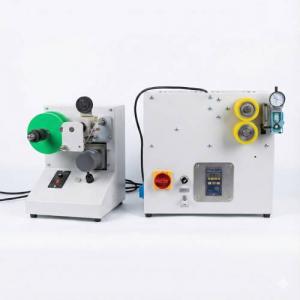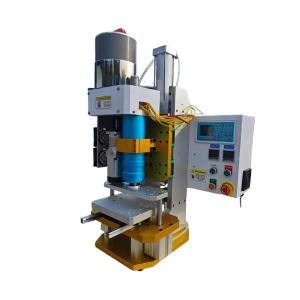
Desktop pelletizer
Pelletizer is also called granulator, there are different kinds of granulators in industries. The pelletizer we are talking about is the one for plastic pelletizing extrusion.
Desktop horizontal type pelletizer (G-Pelletizer)can work with the desktop extruder SJ15, SJ20, SJ25, and SJ35 from RobotDigg.
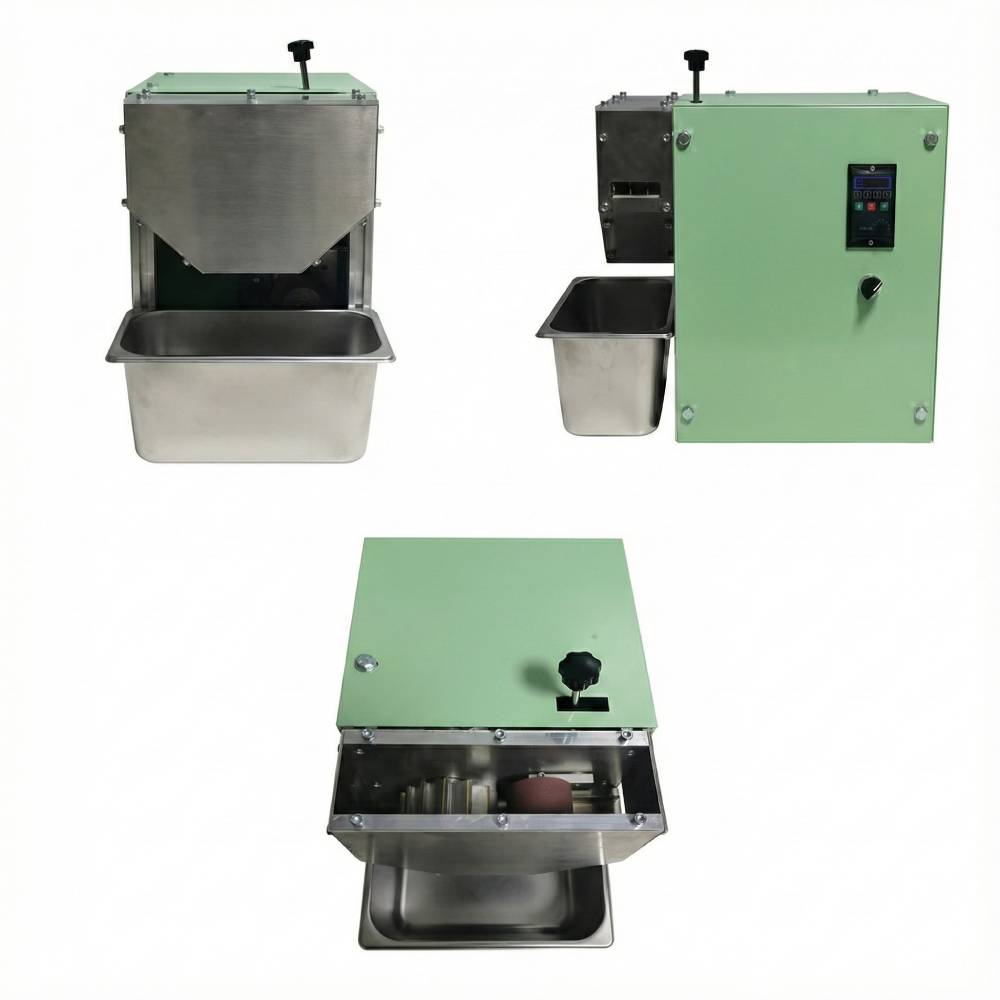
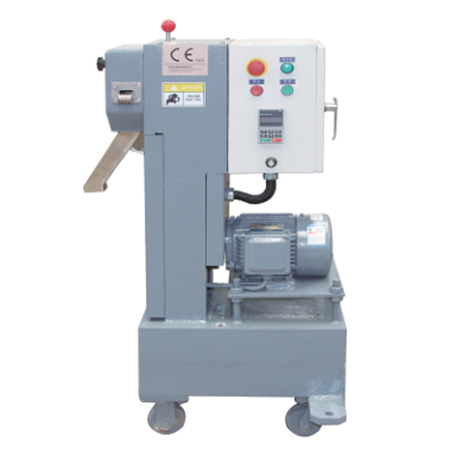
Cantilever pelletizer
Lab-scale pelletizer fit for pelletizing glass fiber or mineral-enhanced plastics, rubber mixer, PVC, PBT, PE, PP, PS, PET, ABS, and other plastic strands.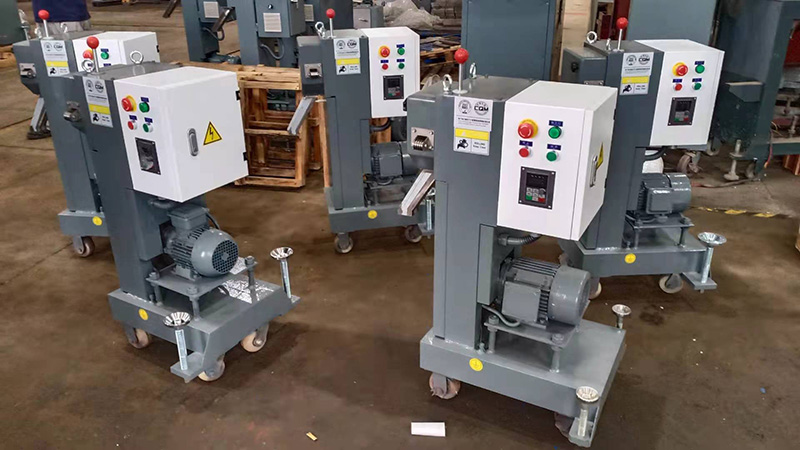
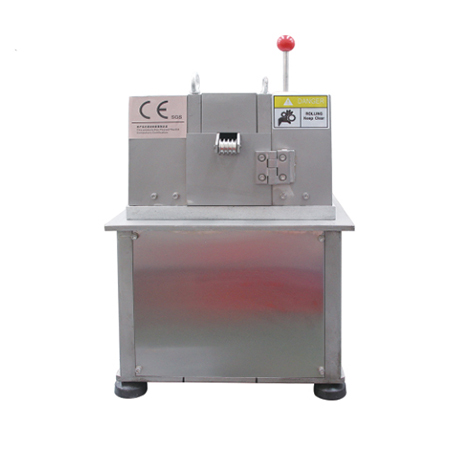
Gantry pelletizer
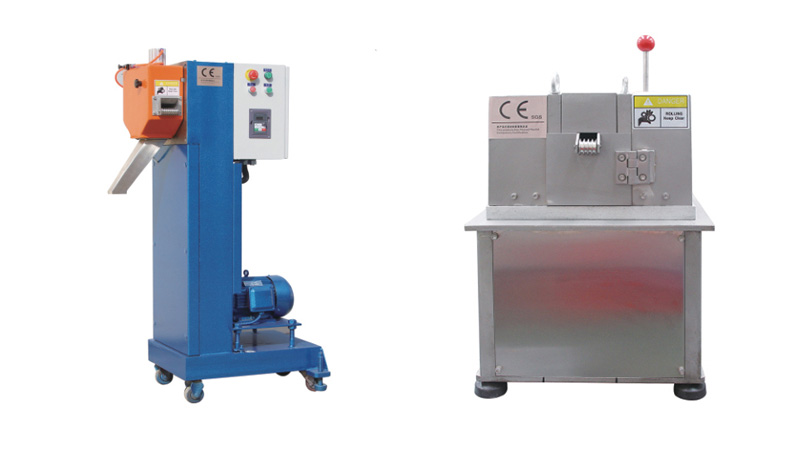
1. Cantilever Pelletizer (Left Machine in Image)
The machine on the left (blue stand with orange top) is a Cantilever Pelletizer.
Structure: The cutting rotor is supported by bearings on only one side (the drive side). The front of the cutting chamber is "cantilevered" out.
Key Feature: The front cover usually swings open completely, leaving the cutting rotor fully exposed and accessible.
Advantages:
Easy Cleaning: Because the front opens up, it is extremely easy to clean out plastic residue. This is perfect for labs that switch materials or colors frequently (e.g., switching from Black ABS to White PLA).
Quick Maintenance: Blade adjustment and rotor removal are faster.
Best For: Laboratory use, R&D, and small-batch production where frequent material changes are required.
2. Gantry Pelletizer (Right Machine in Image)
The machine on the right (silver/stainless steel) is a Gantry Pelletizer (also known as a Portal or Straddle type).
Structure: The cutting rotor is supported by bearings on both ends. The cutting assembly sits inside a sturdy frame (gantry) that supports it from both sides.
Key Feature: It is a more rigid, enclosed box-like structure.
Advantages:
Stability: Because the rotor is supported on both ends, it vibrates less and can handle higher torque and cutting pressure.
Durability: It is generally more robust for continuous, long-term operation.
Noise: Often quieter due to the enclosed structure and higher rigidity.
Best For: Continuous production runs where the machine does not need to be opened or cleaned as frequently.